
Product Description
Foam and sponge tapes provide reliable sealing, cushioning, vibration damping, and environmental protection across a wide range of industrial and electronic applications.
Matrix offers engineered foam and sponge tape solutions in materials including:
- Neoprene
- EPDM
- Silicone foam
- Polyethylene (PE)
- Polyurethane (PU)
- PVC foam
- Acrylic foam tapes (VHB-style)
- Conductive and specialty foam options
These materials are available in open-cell and closed-cell constructions to meet specific requirements for compression set resistance, moisture sealing, thermal insulation, shock absorption, and long-term durability.
Foam & sponge tapes are commonly used for:
- Enclosure sealing
- Gap filling
- Panel gasketing
- Vibration isolation
- Acoustic dampening
- Weatherproofing
- Thermal and electrical insulation
- Light-blocking and dust protection
With pressure-sensitive adhesive (PSA) backing options available, these tapes simplify installation while maintaining strong adhesion to metals, plastics, composites, and coated surfaces.
Matrix works closely with engineering teams to select the correct density, thickness, compression characteristics, and adhesive system to ensure long-term performance in demanding environments.


Value Added
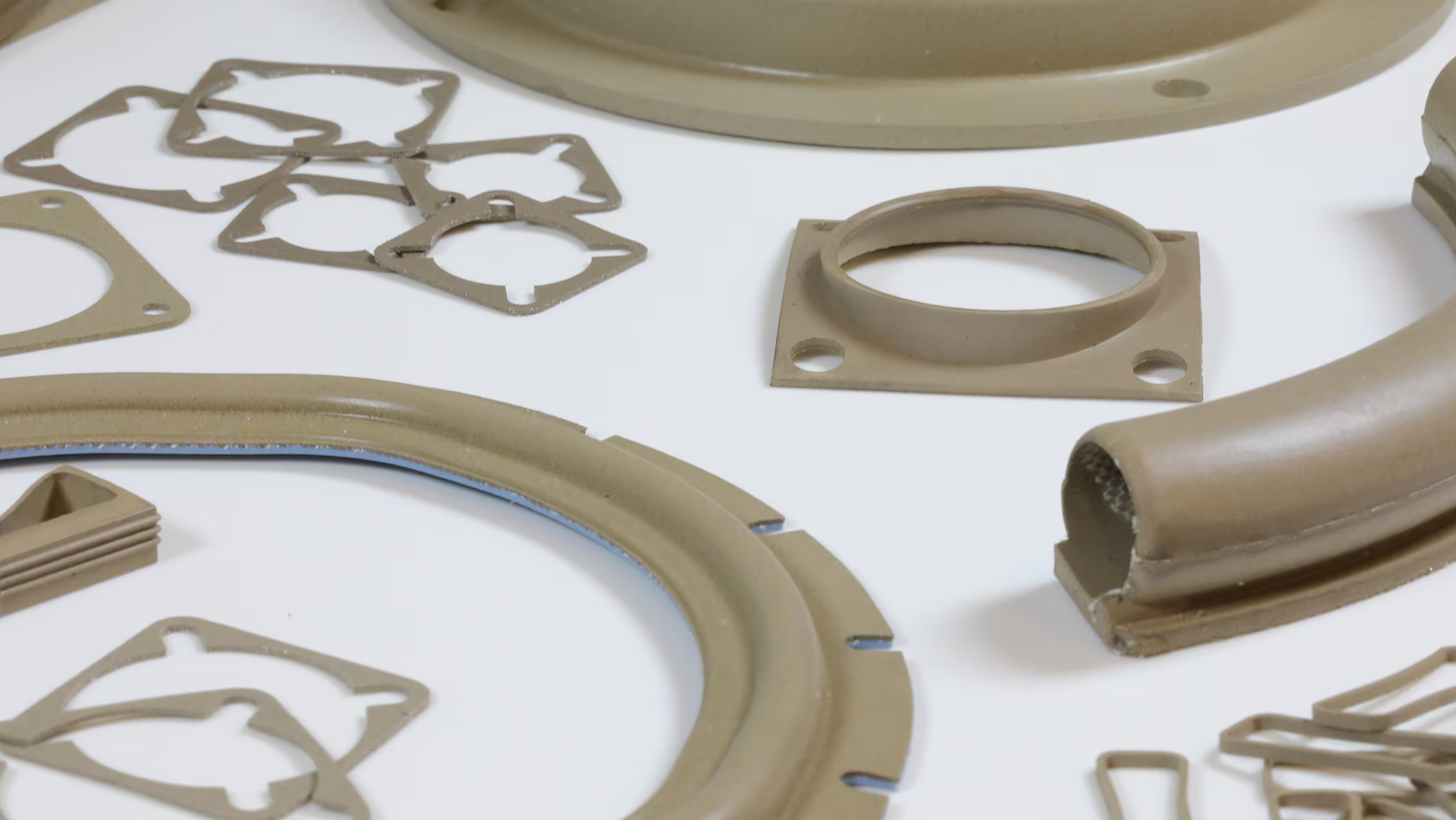
Matrix provides precision converting and fabrication services for foam and sponge tape solutions, including:
- Custom die-cut components
- Kiss-cut parts on rolls
- Laminated constructions (foam-to-adhesive-to-film)
- Multi-layer gasketing systems
- Slitting and roll formatting
- Waterjet and flash cutting for thicker materials
- Prototyping and small-batch production
- High-volume production runs
Our in-house converting capabilities ensure tight tolerances, consistent adhesive application, and repeatable performance from prototype to full-scale manufacturing.
We support applications that require:
- Tight dimensional control
- Complex part geometries
- Multi-material laminations
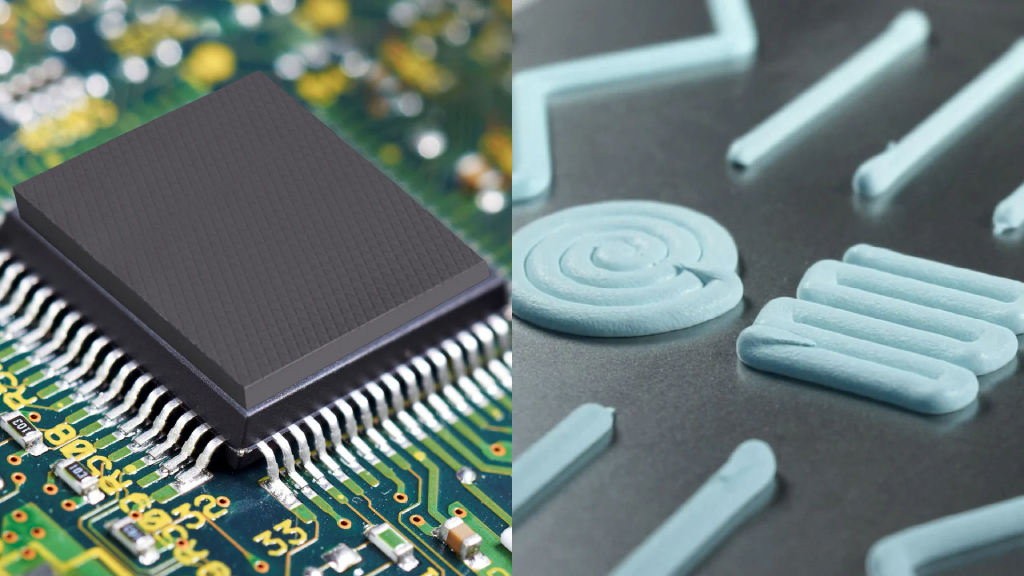
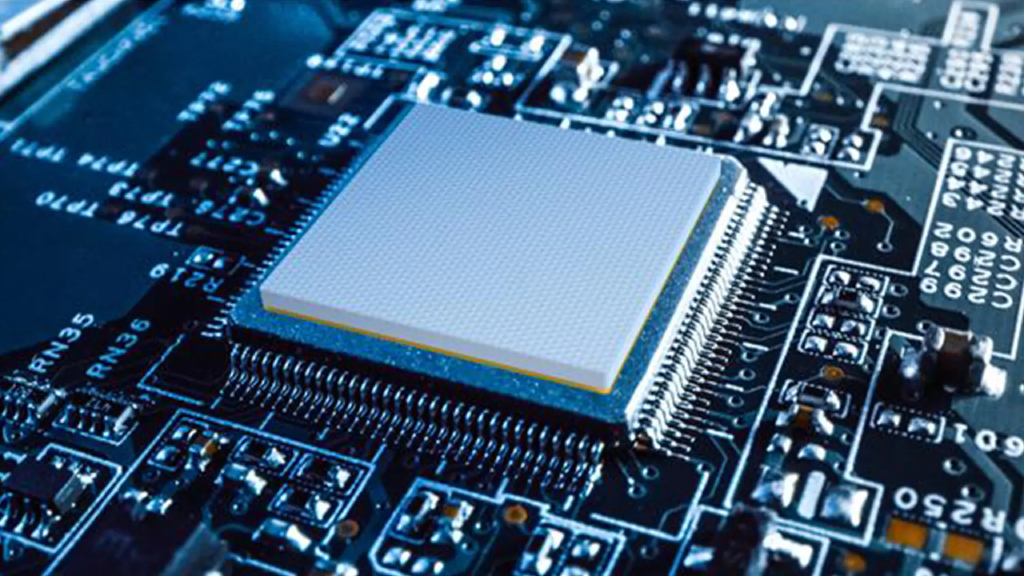
- EMI or thermal interface layering
- Custom adhesive specifications
Frequently asked questions
If you have a question that is not addressed in our FAQ please click 'Contact Matrix' at the top of the page and submit. We will answer directly and add it to our FAQ to benefit the entire engineering community.
Your vision! Our expertise! Collaborating with engineering teams is what we do best! We listens to your priorities, and create a customized solution tailored to your specific requirements.
1. Neoprene Foam Tapes:
- Description: Neoprene foam tapes feature closed-cell synthetic rubber material with good weather resistance.
- Benefit for Engineers:Engineers appreciate their weather durability, UV stability, and compressibility, ideal for outdoor sealing and cushioning applications.
2. Polyethylene Foam Tapes:
- Description: Polyethylene foam tapes consist of lightweight, low-density foam material with moisture resistance.
- Benefit for Engineers: Engineers value their lightweight properties, moisture resistance, and excellent shock absorption, suitable for cushioning and insulation.
3. PVC Foam Tapes:
- Description: PVC foam tapes are made from polyvinyl chloride foam material, known for its conformability.
- Benefit for Engineers: Engineers benefit from their chemical resistance, excellent conformability, and reliable sealing, making them ideal for gasketing and sealing applications.
4. EPDM Foam Tapes:
- Description: EPDM foam tapes feature ethylene propylene diene monomer foam with exceptional weather resistance.
- Benefit for Engineers: Engineers rely on their outstanding weather resistance and sealing properties, suitable for outdoor and automotive applications.
5. Acrylic Foam Tapes:
- Description: Acrylic foam tapes consist of high-performance acrylic adhesive and foam carrier.
- Benefit for Engineers:Engineers appreciate their high bonding strength, durability, and suitability for automotive and structural applications.
6. Polyurethane Foam Tapes:
- Description: Polyurethane foam tapes feature a versatile foam material with good chemical resistance.
- Benefit for Engineers:Engineers value their versatility, chemical resistance, and suitability for sealing and insulation in various industries.
7. Silicone Foam Tapes:
- Description: Silicone foam tapes are made from silicone rubber foam with excellent temperature resistance.
- Benefit for Engineers:Engineers rely on their high-temperature resistance, flexibility, and suitability for extreme environment sealing.
8. Butyl Rubber Foam Tapes:
- Description: Butyl rubber foam tapes consist of butyl rubber foam material known for its impermeability.
- Benefit for Engineers:Engineers appreciate their excellent waterproofing and sealing capabilities in roofing and construction.
9. Nitrile Foam Tapes:
- Description: Nitrile foam tapes feature closed-cell nitrile rubber foam with good oil and fuel resistance.
- Benefit for Engineers:Engineers rely on their oil and fuel resistance, making them suitable for automotive and industrial applications.
10. Foam Gasket Tapes:
- Description: Foam gasket tapes are designed for creating reliable seals and gaskets in various shapes and sizes.
- Benefit for Engineers:Engineers benefit from their versatility in creating custom gaskets and seals in manufacturing and engineering applications.
1. Weatherproofing Building Envelopes (Construction):
- Problem: Need for airtight and watertight seals in building envelopes.
- Solution: EPDM foam tapes provide excellent weather resistance, ensuring energy efficiency and protection against moisture ingress.
2. Automotive Sealing (Automotive Manufacturing):
- Problem: Sealing gaps, preventing noise, vibration, and harshness (NVH) in vehicles.
- Solution: Butyl rubber foam tapes offer effective sealing and vibration dampening in automotive applications.
3. HVAC Duct Sealing (HVAC Industry):
- Problem: Sealing HVAC ducts for efficient airflow and energy savings.
- Solution: Neoprene foam tapes ensure airtight seals in ductwork, enhancing HVAC system performance.
4. Electrical Enclosure Sealing (Electrical Engineering):
- Problem: Protecting sensitive electrical components from dust and moisture.
- Solution: Silicone foam tapes provide reliable sealing and thermal insulation in electrical enclosures.
5. Window and Door Insulation (Building and Construction):
- Problem: Ensuring energy-efficient insulation and noise reduction.
- Solution: Polyethylene foam tapes offer insulation and soundproofing for windows and doors.
6. Pipe Insulation (Industrial and Chemical Plants):
- Problem: Preventing heat loss and condensation on pipes.
- Solution: Polyurethane foam tapes provide thermal insulation and moisture resistance for piping systems.
7. Electronics Cushioning (Electronics Manufacturing):
- Problem: Protecting delicate electronic components from shock and vibration.
- Solution: Polyethylene foam tapes offer shock absorption and cushioning in electronic devices.
8. Gasketing (Manufacturing):
- Problem: Creating reliable seals in equipment and machinery.
- Solution: Foam gasket tapes enable custom gasket fabrication for sealing and dampening applications.
9. Roof Flashing (Roofing):
- Problem: Waterproofing roof seams and penetrations.
- Solution: PVC foam tapes provide waterproofing and flashing solutions in roofing applications.
10. Aerospace Insulation (Aerospace Manufacturing):
- Problem: Thermal insulation and vibration dampening in aircraft.
- Solution: Silicone foam tapes offer high-temperature resistance and vibration dampening in aerospace applications.
Foam and sponge tapes can be engineered to deliver controlled compression, reliable rebound, vibration damping, and environmental sealing. Material selection allows the tape to perform consistently under mechanical load, temperature cycling, and long-term use.
Yes. Certain foam materials, such as EPDM and silicone foam, offer strong resistance to UV radiation and ozone exposure, making them suitable for outdoor and weather-exposed applications.
Yes. Flame-retardant foam and sponge materials are available when required by safety standards or regulatory compliance. These materials can be selected based on industry-specific fire performance requirements.
Yes. Closed-cell foam materials are commonly used to create moisture, dust, and air seals in enclosures. When properly designed, foam tape solutions can support IP-rated enclosure performance.
Yes. Foam and sponge materials provide vibration isolation and shock absorption, protecting sensitive electronics and mechanical components from impact and continuous movement.
Material selection is based on environmental exposure, mechanical load, compression requirements, regulatory standards, and expected lifecycle performance. Matrix works with engineering teams to match density, thickness, and adhesive systems to the specific application.
COMPARE
Compare Options
Click below to get a customized comparison chart tailored to your application.
1
2
3
| 1 | 2 | 3 | |
| Consideration | Neoprene Foam Tape | EPDM Rubber Foam Tape | Silicone Foam Tape |
| Thermal Resistance | Very Good | Good | Very Good |
| Weather Resistance | Very Good | Good | Very Good |
| Chemical Resistance | Good | Good | Very Good |
| Compression Set | Very Good | Moderate | Good |
| UV Resistance | Good | Good | Very Good |
| Water Resistance | Very Good | Good | Very Good |
| Adhesive Strength | Good | Good | Very Good |
| Temperature Range | Good | Moderate | Very Good |
| Electrical Insulation | Good | Good | Very Good |
| Cost | Moderate | Good | Moderate |