EMI Shielding, Thermal Management & ANSI/VITA Chassis Seals
Modern defense aerospace platforms rely on rugged embedded computing architectures such as VPX (VITA 46), OpenVPX (VITA 65), and SOSA-aligned systems. These mission computers operate in high-EMI environments while managing extreme thermal loads under SWaP-C constraints.
Applications include:
- ISR processing systems
- Radar and EW platforms
- Avionics LRUs
- Ground vehicle compute modules
- Naval combat systems
Failure typically originates at:
- Enclosure seams (EMI leakage)
- Thermal interfaces (heat transfer loss)
- Airflow control paths (AFT bypass leakage)
- Connector transitions
Material selection directly impacts MIL-STD-461 EMI compliance, cooling performance, and long-term survivability.
Matrix Technology — Parker Chomerics’ largest distributor in Canada — supports these programs through engineered solutions across the EMI Shielding (HUB) and Thermal Management (HUB).
VPX/OpenVPX Cooling Architectures: Conduction vs. AFT
Defense embedded computing generally uses one of two cooling strategies:
Conduction-Cooled (Baseplate Cooled) VPX
Heat is transferred from module components to a cold wall or chassis sidewall through:
- Wedgelocks
- Baseplates
- Thermal interface materials
This architecture depends heavily on consistent gap management and stable thermal conductivity.
Air Flow Through (AFT) – ANSI/VITA 48.5
ANSI/VITA 48.5-2026 defines Air Flow Through (AFT) cooled plug-in module standards. In this architecture:
- Air passes through internal module heat exchangers
- Airflow must be isolated from surrounding chassis space
- Seal integrity directly affects cooling performance
Air leakage reduces effective cooling capacity and increases contamination risk.
Chassis-level sealing strategies are supported through the broader Gaskets (HUB).
EMI Shielding in VPX and Mission Computer Platforms
MIL-STD-461 compliance requires strict emission and susceptibility control. In embedded compute systems, EMI leakage often occurs at:
- Module-to-chassis interfaces
- Access panels
- Vent openings
- Backplane seams
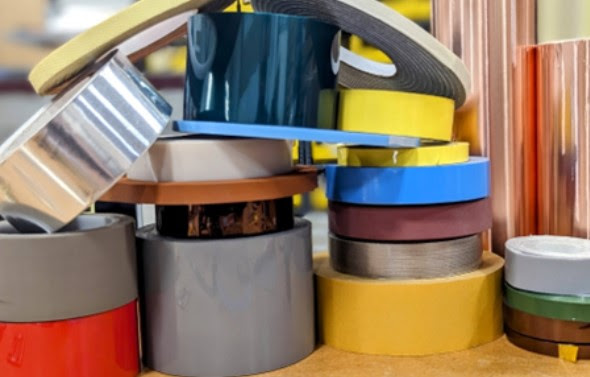
Seam continuity solutions are available through Shielded Gasket Solutions and Conductive Tapes.
Low-Closure-Force Conductive Foam (SOFT-SHIELD® Series)
Frequently referenced part families in defense computing:
- SOFT-SHIELD® 3500
- SOFT-SHIELD® 3700
- SOFT-SHIELD® 3800
- SOFT-SHIELD® 4800
- SOFT-SHIELD® 4850
These materials are commonly evaluated for:
- Lightweight chassis covers
- Shielding partitions
- Access doors in avionics LRUs
- Serviceable panels in ground systems
Form-In-Place EMI Gaskets for Rugged Chassis
When flange paths are irregular or compression force is limited, Form-In-Place gasketing provides better geometry control.
CHO-FORM® 5528 from Matrix Technology
CHO-FORM® 5528 is widely specified in defense embedded computing programs.
Key characteristics:
- One-component moisture-cure silicone
- Silver-plated copper filler
- Low closure force
- High shielding effectiveness
- Suitable for thin-wall housings
Common applications:
- VPX chassis seams
- ISR processing enclosures
- Sealed mission computers
- Tactical communication modules
Matrix supports dispensing programs through Form-In-Place (FIP) Gaskets with precision bead control and scalable production support.
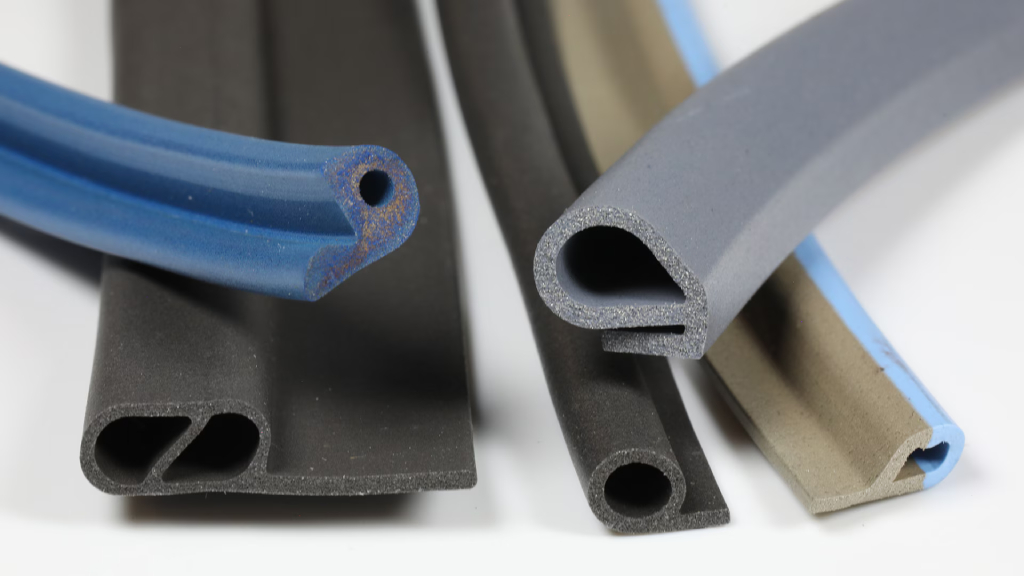
Thermal Interface Materials for Conduction-Cooled VPX
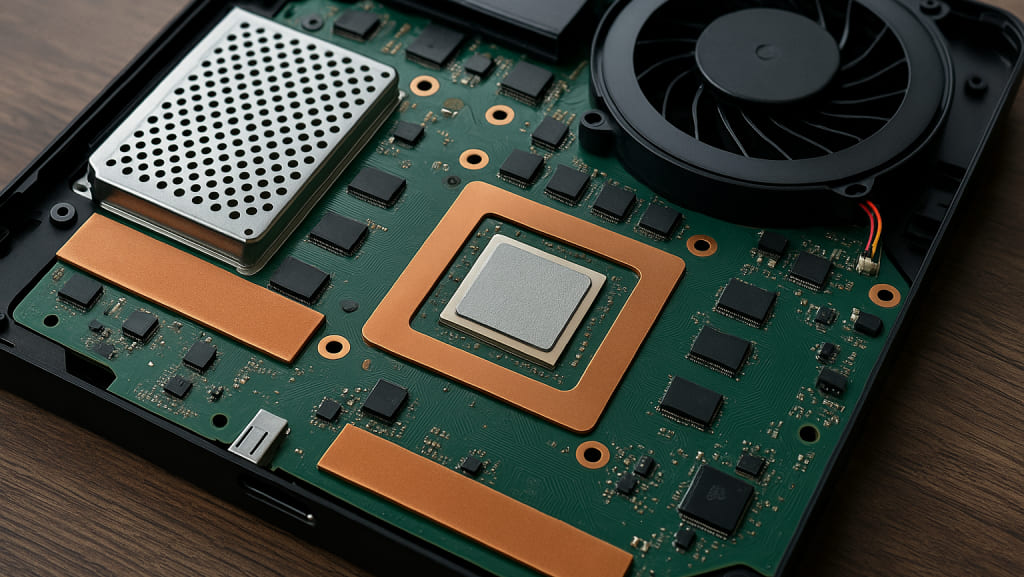
Conduction-cooled OpenVPX modules require reliable thermal transfer from components to chassis cold walls.
THERM-A-GAP® PAD Series (Common Part Numbers)
Frequently evaluated options include:
- THERM-A-GAP® PAD 30
- THERM-A-GAP® PAD 60
- THERM-A-GAP® PAD 80
- THERM-A-GAP® PAD 300
These pads provide:
- Gap-filling compliance
- Controlled compression
- Stable long-term thermal performance
- Compatibility with uneven baseplate interfaces
Explore options under Thermal Gap Pad Solutions.
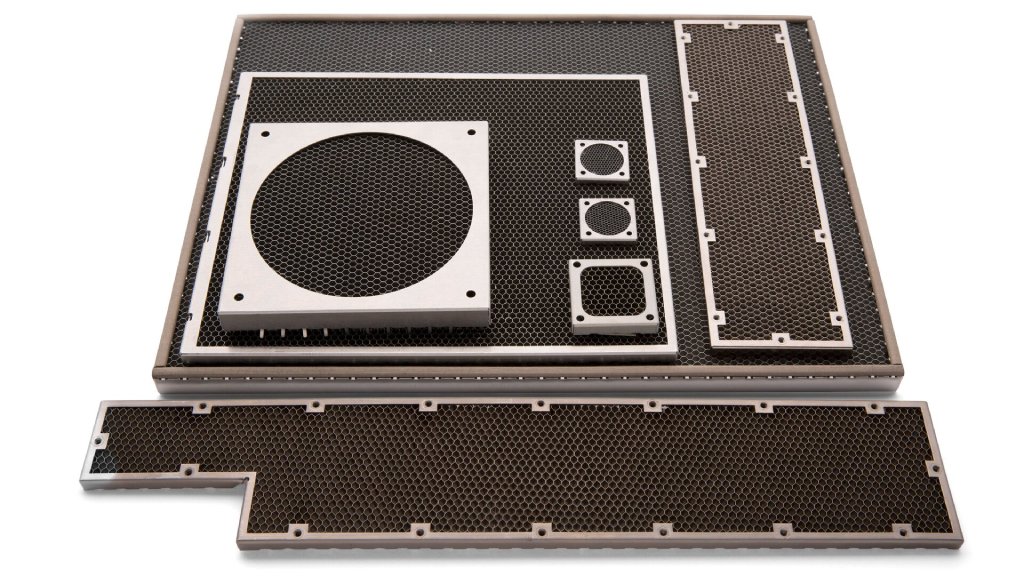
Dispensable Thermal Interfaces
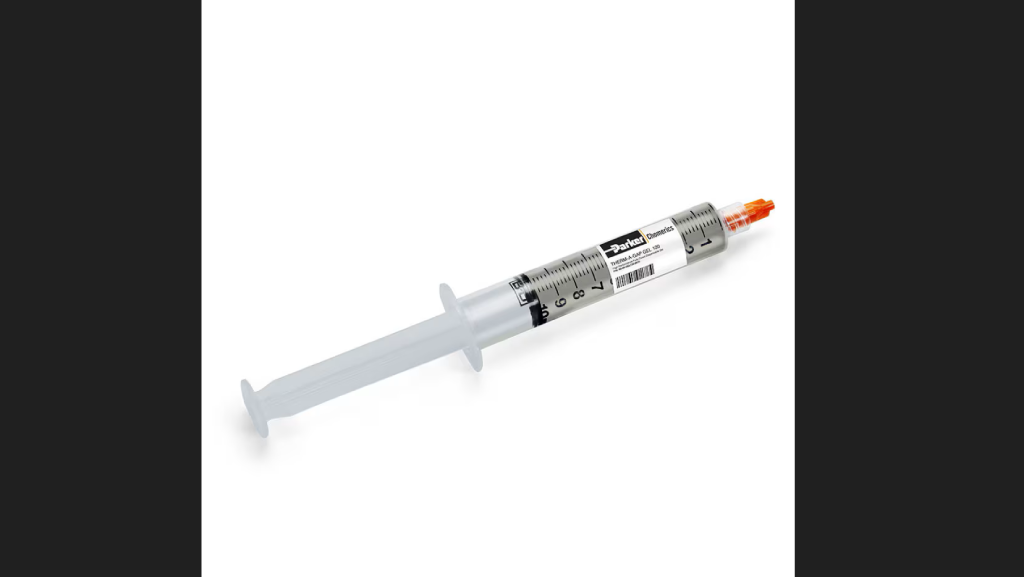
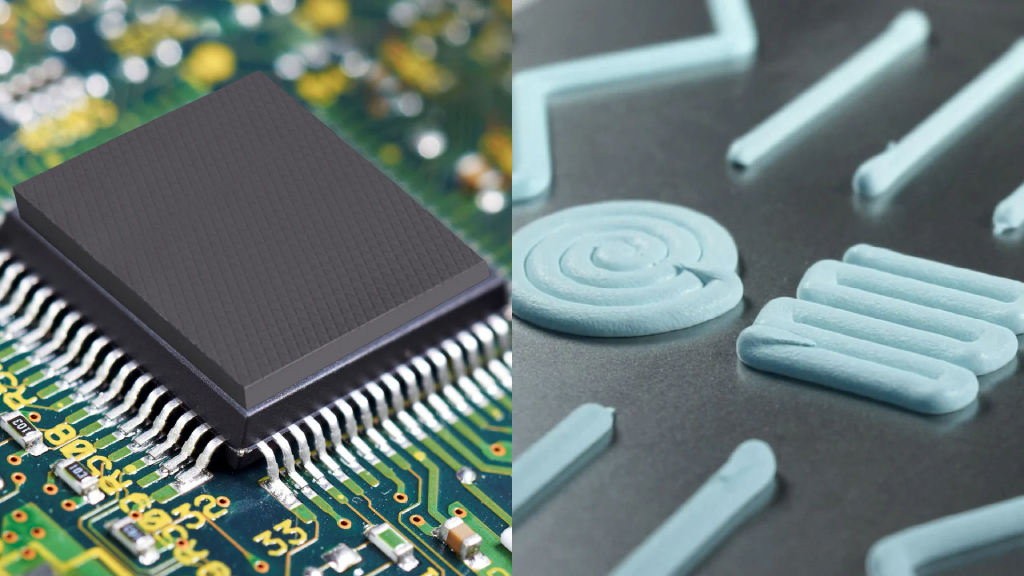
For automated builds or controlled bondline thickness, see Dispensable Gel Solutions.
ANSI/VITA 48.5-2026 Chassis Seal Systems
In Air Flow Through systems, airflow integrity is a performance requirement.
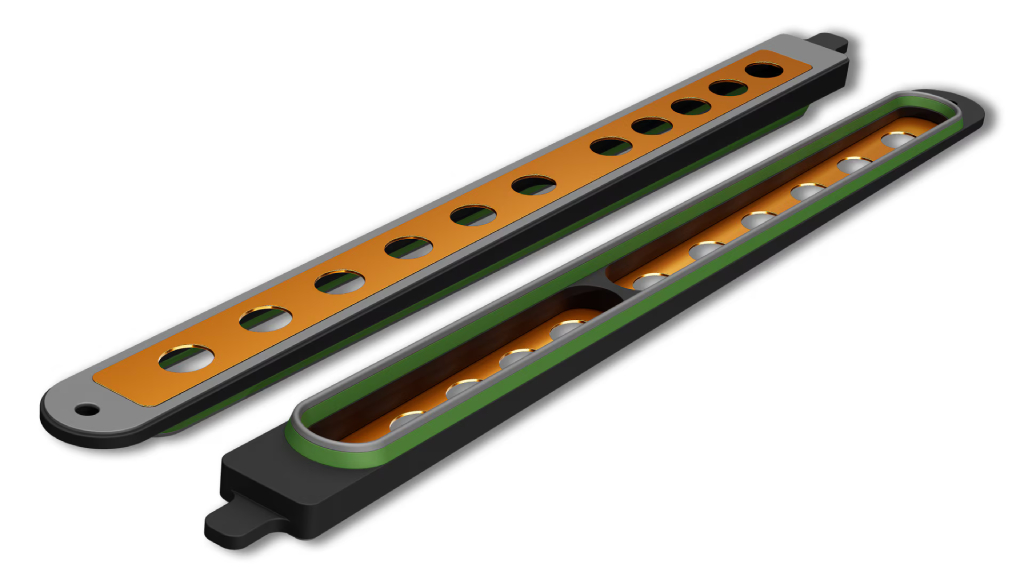
CHO-AIR ANSI/VITA 48.5-2026 systems support:
- Controlled compression geometry
- Reduced airflow bypass
- Moisture and contaminant mitigation
Associated part families:
- CHO-AIR ANSI/VITA 48.5-2026 Chassis Seal
- CHO-AIR ANSI/VITA 48.5-2026 Chassis Seal Blank
- CHO-AIR ANSI/VITA 48.5-2026 Seal Retainer
- CHO-AIR ANSI/VITA 48.5-2026 Orifice Plate
These are used in:
- 3U and 6U VPX AFT chassis
- High-density embedded compute racks
- Naval and ground vehicle airflow systems
Embedded Defense Computing Materials Cross-Reference
| VPX Design Challenge | Recommended Solution | Example Part Numbers |
|---|---|---|
| Low clamp-force EMI seam | Conductive foam gasket | SOFT-SHIELD® 3500 / 3700 / 3800 / 4800 / 4850 |
| Irregular flange geometry | Form-In-Place gasket | CHO-FORM® 5528 |
| Module-to-chassis conduction | Thermal gap pad | THERM-A-GAP® PAD 30 / 60 / 80 / 300 |
| Automated thermal interface | Dispensable gel | THERM-A-GAP® GEL families |
| AFT airflow isolation | Chassis seal system | CHO-AIR ANSI/VITA 48.5-2026 Seal family |
Frequently Asked Questions About FIP Gaskets for Optical Transceivers
Embedded computing survivability in defense aerospace platforms is determined at the seam, the interface, and the airflow path. By integrating EMI shielding (SOFT-SHIELD® 3500–4850, CHO-FORM® 5528), conduction cooling interfaces (THERM-A-GAP® PAD 30–300), and ANSI/VITA 48.5 chassis seal systems, Matrix Technology supports rugged VPX/OpenVPX architectures built for mission-critical reliability.